"No one is exempt," intoned a narrator in one TV ad that featured a young girl in a restroom. "Even registered sex offenders could follow women or young girls into the bathroom. And if a business tried to stop them, they’d be fined. Protect women’s privacy. Prevent danger. Vote no on the Proposition 1 bathroom ordinance."...That response doesn't address the problem faced by a business that would like to intervene but can't know the intent of the person following a woman. Also, people frequently want additional protection. I'm thinking specifically of gun control, which tends to be supported by the same people who would like to open up access to women's bathrooms. These people aren't satisfied by the argument that it's already against the law to commit murder and other gun violence.
Supporters pointed out that it was already against the law in Houston to enter a bathroom with the intent to harass someone....
Tampilkan postingan dengan label guns. Tampilkan semua postingan
Tampilkan postingan dengan label guns. Tampilkan semua postingan
Rabu, 04 November 2015
"How Bathroom Fears Conquered Transgender Rights in Houston."
The headline in The Atlantic after Houston voted — 61 to 39 percent — against the Houston Equal Rights Ordinance, or Proposition 1, which would ban discrimination based on gender identity (and 14 other factors, including sexual orientation). The "startlingly simple" opposition message was "No men in women’s bathrooms."

Rabu, 14 Oktober 2015
"A Michigan woman who fired at a fleeing Home Depot shoplifter has been charged with recklessly using her concealed handgun."
"The misdemeanor charge against the gun-toting, self-appointed law enforcer is the latest twist in a case that, coming just a few days after a deadly mass shooting in Oregon, helped stir a fierce and ongoing national debate over the utility, and capacity, of ordinary people wielding concealed weapons to stop and prevent crime. The alleged act of vigilantism occurred on Oct. 6, five days after a gunman opened fire in a classroom at Umpqua Community College in Roseburg, Ore., and killed nine people before committing suicide...."
That's the WaPo article about Tatiana Duva-Rodriguez, who pretty obviously deserved to be charged with a crime. Boy, did she step up fast... not just to stop crime but to pose as poster child for the anti-gun propaganda that says you're delusional if you think concealed carriers of guns are going to protect you — those people are nuts.
That's the WaPo article about Tatiana Duva-Rodriguez, who pretty obviously deserved to be charged with a crime. Boy, did she step up fast... not just to stop crime but to pose as poster child for the anti-gun propaganda that says you're delusional if you think concealed carriers of guns are going to protect you — those people are nuts.
Selasa, 13 Oktober 2015
"Many Professors Anxious About Legally Armed Students in Their Classrooms."
"I’m sure that many professors in the past were uncomfortable about having women, or blacks, or openly gay students in their classrooms, too. But happily, progress marches on and people’s visceral fears and dislikes weren’t allowed to rule."
Writes Glenn Reynolds.
I can see how it's disturbing to know that students might have guns, but I'm puzzling over the way knowing there are guns becomes more disturbing when you know that some of the people who have guns have them because it's not against the law. You might say, it's irrational to be disturbed, since using the gun other than in self-defense or the defense of others would be against the law, and if you're only worried about people doing things that are against the law, the legality of having guns should be irrelevant (or should cut the other way, since it's possible that a law-abiding, gun-bearing person might defend you against the law-violating, gun-bearing person).
But — as I was saying the other day — a professor could be worried about students who impulsively become violent and, because they have a gun with them, do far more damage than if they were unarmed when they suddenly become murderous.
Anyway, a student with a concealed weapon is not like a student who is female, black, or openly gay. For one thing, you don't have the easy option of leaving your femaleness, blackness, or open gayness back at home. It's possible to cover up these things, but for most of us, it's not easy. A gun isn't a necessary component of your physical being, and carrying a gun is behavior that you can chose to engage in or not. Schools impose many limitations on behavior, frequently based on fairly superficial distaste about things that involve essential personal freedom, such as how you dress and whether you can talk and move around. It's not the case that teachers must learn to tolerate students exercising their personal freedoms in the classroom.
Writes Glenn Reynolds.
I can see how it's disturbing to know that students might have guns, but I'm puzzling over the way knowing there are guns becomes more disturbing when you know that some of the people who have guns have them because it's not against the law. You might say, it's irrational to be disturbed, since using the gun other than in self-defense or the defense of others would be against the law, and if you're only worried about people doing things that are against the law, the legality of having guns should be irrelevant (or should cut the other way, since it's possible that a law-abiding, gun-bearing person might defend you against the law-violating, gun-bearing person).
But — as I was saying the other day — a professor could be worried about students who impulsively become violent and, because they have a gun with them, do far more damage than if they were unarmed when they suddenly become murderous.
Anyway, a student with a concealed weapon is not like a student who is female, black, or openly gay. For one thing, you don't have the easy option of leaving your femaleness, blackness, or open gayness back at home. It's possible to cover up these things, but for most of us, it's not easy. A gun isn't a necessary component of your physical being, and carrying a gun is behavior that you can chose to engage in or not. Schools impose many limitations on behavior, frequently based on fairly superficial distaste about things that involve essential personal freedom, such as how you dress and whether you can talk and move around. It's not the case that teachers must learn to tolerate students exercising their personal freedoms in the classroom.
Senin, 12 Oktober 2015
"You're carrying a gun to class? Yeah well I'm carrying a HUGE DILDO."
University of Texas student begins what she calls #CocksNotGlocks, a protest against the new Texas law permitting the licensed concealed carrying of guns on campus. The protest is accomplished by "strapping gigantic swinging dildos to our backpacks."
Unlike the guns, the dildos are not concealed. They are out there in your face, including the faces of those who — in other contexts — urge us to become sensitized to sexual aggression. How is a rape survivor supposed to feel sitting next to students with "gigantic swinging dildos" hanging from their backpacks? And what of the men who have cared about the critique of the "rape culture"? What are they to think seeing their private parts likened to weaponry and bandied about in disembodied form detached from the feeling, caring body of a human being? And why the specification that the dildos be "gigantic"? Is this not body-shaming the vast majority of men, taunting them with a thoroughly unattainable standard?
Unlike the guns, the dildos are not concealed. They are out there in your face, including the faces of those who — in other contexts — urge us to become sensitized to sexual aggression. How is a rape survivor supposed to feel sitting next to students with "gigantic swinging dildos" hanging from their backpacks? And what of the men who have cared about the critique of the "rape culture"? What are they to think seeing their private parts likened to weaponry and bandied about in disembodied form detached from the feeling, caring body of a human being? And why the specification that the dildos be "gigantic"? Is this not body-shaming the vast majority of men, taunting them with a thoroughly unattainable standard?
Sabtu, 10 Oktober 2015
"Can we blame the mother of Adam Lanza... Can we blame the mother of the Oregon shooter...?"
Asks Timothy Egan in the NYT.
But Egan is doing gender politics and advocating for gun control. He's getting the NYT reader's attention by beginning with something transgressive. He dares to blame the woman. But then he drives a wedge, the wedge that men have driven through the ages: There are good women and bad women.
When a man makes an appeal to the womanhood of women, to the motherhood of mothers — be a good woman, be a good mother — that is patriarchy speaking.
What about the fathers? Gov. Bobby Jindal of Louisiana said the Oregon shooter’s father, divorced and absent for some time from his son, was “a failure” who “owes us all an apology.” Fathers certainly have an equal responsibility. But it’s the mothers, in most cases, who know the names of their children’s teachers, who understand their deepest fears, who have a unique relationship.Hmm. The "unique relationship" the mother has is a consequence of the father's failure. If the point is to stop future harm, then all causal factors matter.
But Egan is doing gender politics and advocating for gun control. He's getting the NYT reader's attention by beginning with something transgressive. He dares to blame the woman. But then he drives a wedge, the wedge that men have driven through the ages: There are good women and bad women.
A group, Moms Demand Action for Gun Sense in America, was formed after the Newtown carnage. It’s a good counter to the creepy cultists of the gun culture. Their best appeal is likely to be one of reason to the hearts of fellow mothers, rather than to heartless politicians at the legislative level.The bad women consort with the dirty men, the "creepy cultists." The good women have "hearts" — they are the wholesome bulwarks of goodness.
When a man makes an appeal to the womanhood of women, to the motherhood of mothers — be a good woman, be a good mother — that is patriarchy speaking.
Kamis, 08 Oktober 2015
"First rule of conceal carry is don't talk about conceal carry."
"I do the same. I'd rather be judged by 12 than carried by 6."
"I don't care if they make a law that says death penalty for anyone caught with a gun. I WILL BE ARMED! My life is more import than any law, rule, policy or ban."
Presented for discussion. I'm not commenting on that one way or another. Those are comments at Facebook on this image:

ADDED: Meanwhile, in Texas:
"I don't care if they make a law that says death penalty for anyone caught with a gun. I WILL BE ARMED! My life is more import than any law, rule, policy or ban."
Presented for discussion. I'm not commenting on that one way or another. Those are comments at Facebook on this image:
ADDED: Meanwhile, in Texas:
Economics professor emeritus Daniel Hamermesh will withdraw from his position next fall, citing concerns with campus carry legislation. The law will allow the concealed carry of guns in campus buildings beginning Aug. 1, 2016. Hamermesh said he is not comfortable with the risk of having a student shoot at him in class.Does that make sense? It will still be against the law to shoot at him in class. I guess the argument is that the decision to carry a gun into class is more deliberate. You plan ahead, and might be more rational in making the decision whether to break any laws. But the decision to pull out your gun and shoot the professor is more impulsive and thus less susceptible to contemplation of the legal consequences. So the ban on carrying a gun was protecting Hamermesh in ways that the ban on shooting the professor does not.
“My guess is somebody thinking about coming to Texas is going to think twice about being a professor here,” Hamermesh said. “It’s going to make it more difficult for Texas to compete in the market for faculty.”Spoken like an economics professor.
Cass Sunstein purports to explain "How the Gun Lobby Rewrote the Second Amendment."
I know the author of a column probably doesn't write his own headline, but there's nothing in this column that explains how the gun lobby rewrote the Second Amendment. Sunstein explains how people in the law field long relied, without studying the question in depth, on an assumption about the meaning of the amendment. To do the deep study and to arrive at a different opinion of the meaning of a text is not to rewrite it.
Sunstein's column is loaded with filler that has nothing to do with how the gun lobby supposedly rewrote the amendment: the recent shootings in Oregon, a Ben Carson statement in support of gun rights, the recency of the Supreme Court's discovery of an individual right in the Second Amendment, an old statement in an interview by Chief Justice Warren Burger of his understanding that the Second Amendment contains no individual right to bear arms, old case law that failed to perceive an individual right.
In the 11th and 12th paragraphs of the 15-paragraph column, Sunstein presents the fact that the National Rifle Association spent money expressing its belief in the individual right, that expression "resonated with the public," and that public opinion is "used strategically by politicians seeking votes." Yes, we live in a culture, and we vote in a democracy, and voters respond to arguments they hear and feel persuaded by, but how does that mean that one set of voices rewrites a clause in the Constitution?
Here we are, then, it's Paragraph 13. I want the answer my question. What do we get? Sunstein admits that there is no rewriting!
Ironically, Sunstein, writing in a newspaper, attempting to influence public opinion, is more of a lobbyist than the scholars he'd diminish as manipulated by lobbyists.
As for judges, of course they should hesitate before denying a constitutional right! Whatever is happening in the political arena, judges should always look carefully at claims of right, as I am sure Sunstein and fellow anti-gun rights law professors will say about non-Second Amendment rights.
Paragraph 13 is the shocking "never mind," and the column peters out in the final 2 paragraphs, ending with the assertion that gun rights "have a lot more to do with interest-group politics" than with what the Constitution really means, which is certainly a true statement about Sunstein's column.
Sunstein's column is loaded with filler that has nothing to do with how the gun lobby supposedly rewrote the amendment: the recent shootings in Oregon, a Ben Carson statement in support of gun rights, the recency of the Supreme Court's discovery of an individual right in the Second Amendment, an old statement in an interview by Chief Justice Warren Burger of his understanding that the Second Amendment contains no individual right to bear arms, old case law that failed to perceive an individual right.
In the 11th and 12th paragraphs of the 15-paragraph column, Sunstein presents the fact that the National Rifle Association spent money expressing its belief in the individual right, that expression "resonated with the public," and that public opinion is "used strategically by politicians seeking votes." Yes, we live in a culture, and we vote in a democracy, and voters respond to arguments they hear and feel persuaded by, but how does that mean that one set of voices rewrites a clause in the Constitution?
Here we are, then, it's Paragraph 13. I want the answer my question. What do we get? Sunstein admits that there is no rewriting!
An important qualification: The text of the Second Amendment is ambiguous, and it could indeed be read in favor of an individual right; historians continue to debate the question. And because the individual right to own guns has long been a central part of American culture, if not its jurisprudence, federal judges might well hesitate before entirely denying that right.The introductory phrase "An important qualification" is a rhetorical trick to make us feel the author has already made the basic point and this is a minor concession for the sake of scrupulous accuracy. But the basic point has not been made and the concession is really all there is: It's a difficult question of interpretation, and when serious scholars did the hard work, many of them perceived a right, a right in the original text. These people were not "rewriting" the Second Amendment, and they certainly were not accepting a rewrite delivered by a political lobby.
Ironically, Sunstein, writing in a newspaper, attempting to influence public opinion, is more of a lobbyist than the scholars he'd diminish as manipulated by lobbyists.
As for judges, of course they should hesitate before denying a constitutional right! Whatever is happening in the political arena, judges should always look carefully at claims of right, as I am sure Sunstein and fellow anti-gun rights law professors will say about non-Second Amendment rights.
Paragraph 13 is the shocking "never mind," and the column peters out in the final 2 paragraphs, ending with the assertion that gun rights "have a lot more to do with interest-group politics" than with what the Constitution really means, which is certainly a true statement about Sunstein's column.
Selasa, 06 Oktober 2015
"This killer’s father is now lecturing us on the need for gun control and he says he has no idea how or where his son got the guns."
"Of course he doesn’t know. You know why he doesn’t know? Because he is not, and has never been in his son’s life. He’s a complete failure as a father, he should be embarrassed to even show his face in public. He’s the problem here."
Wrote Bobby Jindal in a post titled "We fill Our Culture With Garbage, And We Reap The Result," which I read because Talking Points Memo was trashing it. Josh Marshall said: "Bobby Jindal appears to be a seriously disturbed, morally degenerate individual."
Wrote Bobby Jindal in a post titled "We fill Our Culture With Garbage, And We Reap The Result," which I read because Talking Points Memo was trashing it. Josh Marshall said: "Bobby Jindal appears to be a seriously disturbed, morally degenerate individual."
Senin, 05 Oktober 2015
The headline at The NYT is "Mother of Oregon Gunman Wrote of Keeping Firearms," but I think that's the 3rd most interesting revelation...
... in the article.
First is the additional reason to think that the now-dead murderer was autistic:
Second is the fact that this woman, who advocated reading to an autistic child, for some reason choose as the appropriate reading material, Donald Trump's "Art of the Deal":
First is the additional reason to think that the now-dead murderer was autistic:
Laurel Margaret Harper... acknowledged having expertise in dealing with autism, saying that both she and her son — whom she never identified by name — had Asperger’s syndrome, an autism spectrum disorder... She... said she had “dealt with it on a daily basis for years and years”... “He’s no babbling idiot nor is his life worthless,” Ms. Harper wrote. “He’s very intelligent and is working on a career in filmmaking. My 18 years worth of experience with and knowledge about Asperger’s syndrome is paying off.”2 days ago, here, I raised my suspicion that the young man was autistic.
Second is the fact that this woman, who advocated reading to an autistic child, for some reason choose as the appropriate reading material, Donald Trump's "Art of the Deal":
“Fact: Before my son was even born, I was reading out loud to him from Donald Trump’s ‘The Art of the Deal,’” she wrote. “And as for the ‘gesture effect,’ I was practically a mime. And now my son invests in the stock market along with me, turns a profit and is working on a degree in finance. His language and reading skills are phenomenal. I tell you this because it’s not too late for you to start helping your daughter.”
"The three most destructive words that every man receives when he’s a boy is when he’s told to ‘be a man.'"
"Whether it’s homicidal violence or suicidal violence, people resort to such desperate behavior only when they are feeling shamed and humiliated, or feel that they would be if they didn’t prove they were real men."
2 quotes extracted from the depths of a College Fix piece titled "Students warned: Bulging biceps, big guns advance unhealthy masculinity," which contains other quotes (to which it is more sympathetic), like the sarcastic professor who reacted to the presentation with: "I should have hung myself or jumped out a window from my involvement in athletics."
Meanwhile: "Republicans want to talk about mental illness rather than guns. Let’s do it."
Guns... guns... I know. I'm not trying to create confusion or be cute. That alignment just happened.
2 quotes extracted from the depths of a College Fix piece titled "Students warned: Bulging biceps, big guns advance unhealthy masculinity," which contains other quotes (to which it is more sympathetic), like the sarcastic professor who reacted to the presentation with: "I should have hung myself or jumped out a window from my involvement in athletics."
Meanwhile: "Republicans want to talk about mental illness rather than guns. Let’s do it."
Guns... guns... I know. I'm not trying to create confusion or be cute. That alignment just happened.
Jumat, 02 Oktober 2015
The history of the word "politicize" — from 1968 to 2015.
May 1968: "S.D.S. is out to politicize the campus."
September 1973: "It was not simply a matter of increasing numbers, but of the highly politicized manner in which additional blacks found their way into Harvard — overcoming nearly a century of racial and sociological barriers to a sizable presence at Harvard. Militancy and political threats perpetrated by Negro students in 1968-70 paved the way for major alterations in Harvard's recruiting and admissions policies. This resulted in a fivefold increase in black enrollment, but the politization surrounding this development plagued virtually all aspects of black-white relationships, dividing blacks and whites in to mutually exclusive communities." From "The black experience at Harvard," by Martin Kilson.
August 1976: Back when Jimmy Carter, a peanut farmer, was getting the Democratic nomination: "Planters [Peanuts] has been the focus of recent efforts to politicize peanuts, such as the recent Democratic National Convention to 'borrow' its Mr. Peanut mascot. 'Mr. Peanut is an apolitical figure'..."
January 1979: Pope John Paul II in Mexico City: "You know that liberation theology is a true theology... But perhaps it is also a false theology, because if one starts to politicize theology, apply doctrines of political systems, ways of analysis which are not Christian, then this is no longer theology."
September 1980: "On the Lower East Side in the late 60's, his aim was to politicize the hippies, not to make the larger world an adjunct to the counterculture." From a review of a new book by Abbie Hoffman.
December 1986: "In 1966, Mao turned to radical Shanghai students to trigger the Cultural Revolution, a decade-long upheaval intended to politicize every facet of Chinese life."
November 1992: Hugh Hefner is quoted: "I think the real question is why, after a sexual revolution began in the 50's, did the women's movement seize upon an anti-sexual theme.... A significant part of the hurtful side of feminism is failing to understand how a hurtful childhood can shape you, and instead trying to politicize all behavior. There's really no benefit to viewing sex as the enemy. The sex act is some of the best of what we are, as family, and as a civilization. The notion that sex and violence are connected like law and order is untrue. They are polar opposites. One is hurting; one is hugging."
January 1994: "Do you ever wonder if it was a mistake to politicize the private lives of politicians? Bill Clinton was rumored to have a Gary Hart-ish sexual life, yet he's turned out to be quite supportive of women's rights." From a Q&A with 3 female reporters.
May 1996: When Democratic Representative Barney Frank of Massachusetts said that the Defense of Marriage bill was motivated by politics, he was accused of a "desperate attempt to politicize what is not a political issue."
September 1999: After shootings in a Fort Worth church, Texas Governor George W. Bush signed legislation permitting guns in churches, Vice President and presidential candidate Al Gore started asking ''How can we allow guns in churches?'," and a Bush spokesman said: "Americans are tired of politicians trying to politicize every tragedy.''
December 1999: "Our political leaders must be judged on how they treat everyone, including the least fortunate. We must ask ourselves: do we solve problems or simply push them away, politicize them and criminalize them?'' said Hillary Clinton, about homeless people, whom Mayor Rudolph W. Giuliani was having arrested for sleeping on the streets.
April 2000: "Holding congressional hearings now would only further politicize this tragedy [of Elian Gonzalez], further inflame the passions, and do nothing to resolve the future of the child.... We should not allow this situation to degenerate further into which political party can benefit the most. Americans have made it clear that they do not want to see this issue politicized," wrote Republican Senator Chuck Hagel.
October 2004: "There have been faith-based efforts in America for years and years. There hasn't always been an effort to politicize it," said presidential candidate John Kerry speaking to a group of black pastors.
February 2012: "I think there’s been a chord struck over this issue, this issue of political organizations who are trying to politicize women’s reproductive health," said Planned Parenthood President Cecile Richards.
October 2015: President Obama, after another mass shooting: "Somebody somewhere will comment and say, Obama politicized this issue. Well, this is something we should politicize. It is relevant to our common life together, to the body politic."
September 1973: "It was not simply a matter of increasing numbers, but of the highly politicized manner in which additional blacks found their way into Harvard — overcoming nearly a century of racial and sociological barriers to a sizable presence at Harvard. Militancy and political threats perpetrated by Negro students in 1968-70 paved the way for major alterations in Harvard's recruiting and admissions policies. This resulted in a fivefold increase in black enrollment, but the politization surrounding this development plagued virtually all aspects of black-white relationships, dividing blacks and whites in to mutually exclusive communities." From "The black experience at Harvard," by Martin Kilson.
August 1976: Back when Jimmy Carter, a peanut farmer, was getting the Democratic nomination: "Planters [Peanuts] has been the focus of recent efforts to politicize peanuts, such as the recent Democratic National Convention to 'borrow' its Mr. Peanut mascot. 'Mr. Peanut is an apolitical figure'..."
January 1979: Pope John Paul II in Mexico City: "You know that liberation theology is a true theology... But perhaps it is also a false theology, because if one starts to politicize theology, apply doctrines of political systems, ways of analysis which are not Christian, then this is no longer theology."
September 1980: "On the Lower East Side in the late 60's, his aim was to politicize the hippies, not to make the larger world an adjunct to the counterculture." From a review of a new book by Abbie Hoffman.
December 1986: "In 1966, Mao turned to radical Shanghai students to trigger the Cultural Revolution, a decade-long upheaval intended to politicize every facet of Chinese life."
November 1992: Hugh Hefner is quoted: "I think the real question is why, after a sexual revolution began in the 50's, did the women's movement seize upon an anti-sexual theme.... A significant part of the hurtful side of feminism is failing to understand how a hurtful childhood can shape you, and instead trying to politicize all behavior. There's really no benefit to viewing sex as the enemy. The sex act is some of the best of what we are, as family, and as a civilization. The notion that sex and violence are connected like law and order is untrue. They are polar opposites. One is hurting; one is hugging."
January 1994: "Do you ever wonder if it was a mistake to politicize the private lives of politicians? Bill Clinton was rumored to have a Gary Hart-ish sexual life, yet he's turned out to be quite supportive of women's rights." From a Q&A with 3 female reporters.
May 1996: When Democratic Representative Barney Frank of Massachusetts said that the Defense of Marriage bill was motivated by politics, he was accused of a "desperate attempt to politicize what is not a political issue."
September 1999: After shootings in a Fort Worth church, Texas Governor George W. Bush signed legislation permitting guns in churches, Vice President and presidential candidate Al Gore started asking ''How can we allow guns in churches?'," and a Bush spokesman said: "Americans are tired of politicians trying to politicize every tragedy.''
December 1999: "Our political leaders must be judged on how they treat everyone, including the least fortunate. We must ask ourselves: do we solve problems or simply push them away, politicize them and criminalize them?'' said Hillary Clinton, about homeless people, whom Mayor Rudolph W. Giuliani was having arrested for sleeping on the streets.
April 2000: "Holding congressional hearings now would only further politicize this tragedy [of Elian Gonzalez], further inflame the passions, and do nothing to resolve the future of the child.... We should not allow this situation to degenerate further into which political party can benefit the most. Americans have made it clear that they do not want to see this issue politicized," wrote Republican Senator Chuck Hagel.
October 2004: "There have been faith-based efforts in America for years and years. There hasn't always been an effort to politicize it," said presidential candidate John Kerry speaking to a group of black pastors.
February 2012: "I think there’s been a chord struck over this issue, this issue of political organizations who are trying to politicize women’s reproductive health," said Planned Parenthood President Cecile Richards.
October 2015: President Obama, after another mass shooting: "Somebody somewhere will comment and say, Obama politicized this issue. Well, this is something we should politicize. It is relevant to our common life together, to the body politic."
"Somebody somewhere will comment and say, Obama politicized this issue," said Obama.
"Well, this is something we should politicize. It is relevant to our common life together, to the body politic."
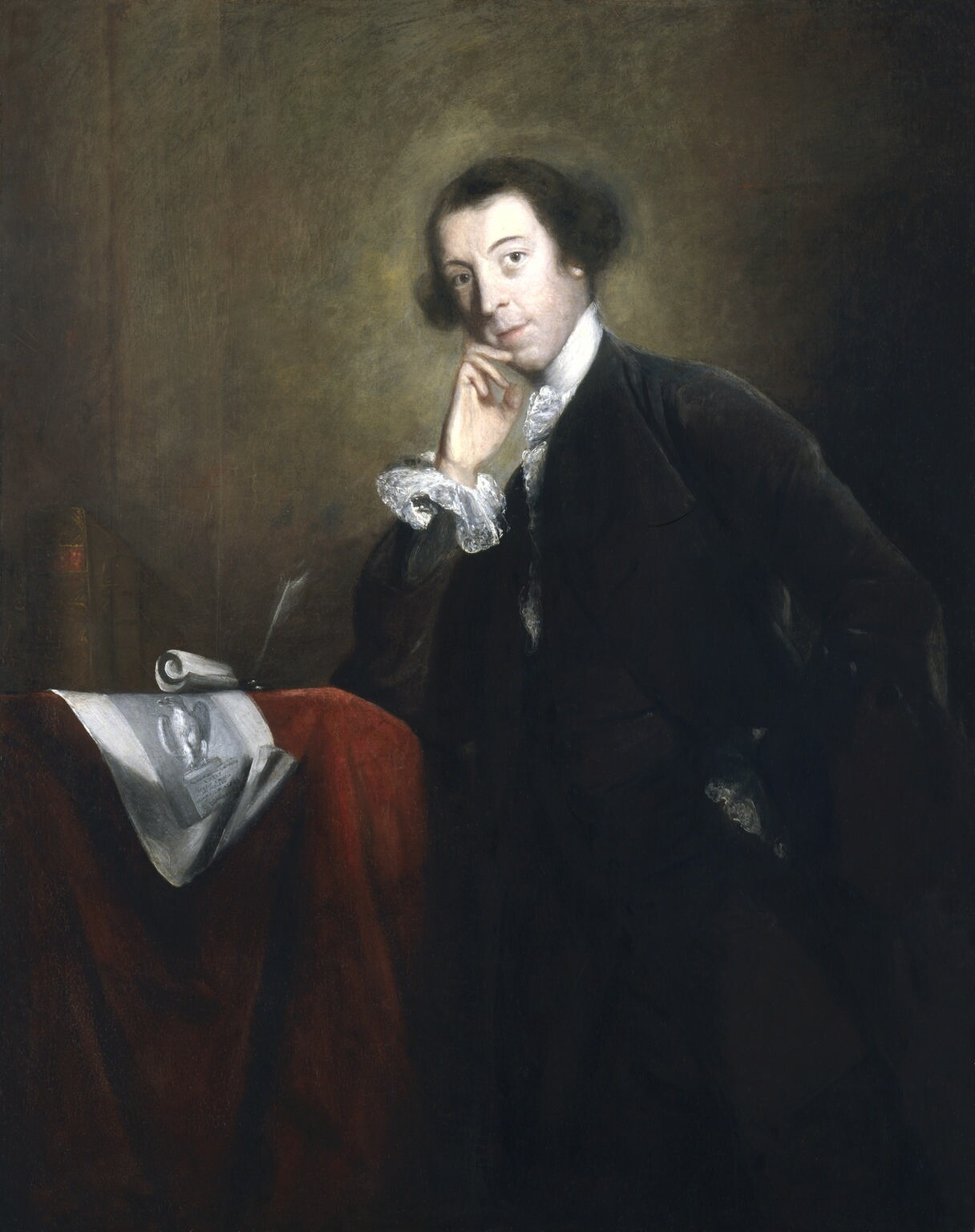
It's even odd to see the word "politicize" used in a positive way. I looked up the word (in the OED). The original meaning was "To engage in or talk about politics." That's an intransitive verb. You're not politicizing anything, just politicizing — gabbing about politics. It goes back to 1758. Horace Walpole, the 4th Earl of Orford, wrote: "But while I am politicizing, I forget to tell you half the purport of my letter."
The transitive verb, meaning "To make political" has spent most of its time referring to people — making them "politically aware or politically active." That goes back to 1846. The idea of making a subject matter political seems to be much more recent. The first example in the OED is from 1991: "Sociobiology was politicized at the outset by those who saw in it an elaborate argument for justifying a competitive, capitalist status quo." Timothy H. Goldsmith Biol. Roots Human Nature i. 5.
Now, I'm getting deeply into NYT archive, looking at the development of the word. The transitive verb referring to people spikes in 1968 in the context of politicizing students. (There's also talk of politicizing the Court and politicizing black people.) By the early 70s, I'm seeing references to politicizing the activities of persons — politicizing education, politicizing the Watergate investigation. The idea of politicizing an issue happens a bit later.
ADDED: I've gone through 1,000+ occurrences of "politicize" in the NYT archive, and I'll do another post showing you a lot of interesting things about it, but I want to complete this post by saying that I believe that Obama did something new. I can't find earlier examples of a high-level, newsworthy person saying that politicizing an issue is a good idea. I can find examples of people saying that it's a good idea to politicize people — to make them politically aware/active.
In the late 60s, there were lots of lefties who were excited about politicizing college students, and the yippies wanted to politicize hippies. But the later-developing idea of politicizing an issue is always somebody saying they don't want to politicize it, that they want to "de-politicize" it, or an attack on somebody else for politicizing it.
I did find this, from 1989, in a long article by the art critic Grace Glueck about the artist Jenny Holzer:
"When Americans are killed in mine disasters, we work to make mines safer. When Americans are killed in floods and hurricanes, we work to make communities safer. When roads are unsafe, we fix them. To reduce auto fatalities, we have seat belt laws because we know it saves lives," Obama said.Of course, gun rights advocates are politicizing this in the other direction. It's entirely predictable. What's new is the clear statement: This is something we should politicize.
"So the notion that gun violence is somehow different, that our freedom and our Constitution prohibits any modest regulation of how we use a deadly weapon, when there are law-abiding gun owners across the country who could hunt and protect their families and do everything they do under such regulations. Doesn't make sense."
It's even odd to see the word "politicize" used in a positive way. I looked up the word (in the OED). The original meaning was "To engage in or talk about politics." That's an intransitive verb. You're not politicizing anything, just politicizing — gabbing about politics. It goes back to 1758. Horace Walpole, the 4th Earl of Orford, wrote: "But while I am politicizing, I forget to tell you half the purport of my letter."
The transitive verb, meaning "To make political" has spent most of its time referring to people — making them "politically aware or politically active." That goes back to 1846. The idea of making a subject matter political seems to be much more recent. The first example in the OED is from 1991: "Sociobiology was politicized at the outset by those who saw in it an elaborate argument for justifying a competitive, capitalist status quo." Timothy H. Goldsmith Biol. Roots Human Nature i. 5.
Now, I'm getting deeply into NYT archive, looking at the development of the word. The transitive verb referring to people spikes in 1968 in the context of politicizing students. (There's also talk of politicizing the Court and politicizing black people.) By the early 70s, I'm seeing references to politicizing the activities of persons — politicizing education, politicizing the Watergate investigation. The idea of politicizing an issue happens a bit later.
ADDED: I've gone through 1,000+ occurrences of "politicize" in the NYT archive, and I'll do another post showing you a lot of interesting things about it, but I want to complete this post by saying that I believe that Obama did something new. I can't find earlier examples of a high-level, newsworthy person saying that politicizing an issue is a good idea. I can find examples of people saying that it's a good idea to politicize people — to make them politically aware/active.
In the late 60s, there were lots of lefties who were excited about politicizing college students, and the yippies wanted to politicize hippies. But the later-developing idea of politicizing an issue is always somebody saying they don't want to politicize it, that they want to "de-politicize" it, or an attack on somebody else for politicizing it.
I did find this, from 1989, in a long article by the art critic Grace Glueck about the artist Jenny Holzer:
Holzer's real admirers among artists tend, naturally, to be those involved with newer forms. ''Her work is great, a bit ahead of its time,'' says Christoper Wool, a painter who last year began to make ''word drawings'' that deal with words as abstractions.... ''She has managed to politicize her art without losing the poetics of it. And she's made the light-emitting diodes so much her own that no one else can use them without evoking her work.''Since feminism runs on the theory that "the personal is political," it makes sense to find the positive view of politicization in this context.
Holzer... accepts the term ''political'' for her work. ''I hope it's political in the larger sense, not topical,'' she says. ''It deals with life-and-death issues; that's supposedly what politics are about.'' An avowed feminist, she is usually seen as part of a group of other strong female artists - Cindy Sherman, Louise Lawler and Kruger, among them - who in their work seem concerned about ''real world'' rather than fantasy subject matter, especially the might of military and corporate America.
Langganan:
Postingan (Atom)